Jackery Explorer 300 Review: Is This Portable Power Station Worth It for Camping? If you spend weekends camping off-grid, running a mobile photography setup, or powering essential devices during long wilderness trips, having reliable portable power is non-negotiable. The Jackery Explorer 300 has long been a favorite among outdoor enthusiasts, but with upgraded LiFePO4 battery chemistry and ultra-fast charging capabilities, does it still hold the crown for mid-tier portable power stations? In this hands-on review, we break down the specs, real-world performance, pros and cons, and whether this power station belongs in your camping setup. 👉 Check Current Price & Deals for Jackery Explorer 300 on Amazon Quick Verdict: Who Is The Jackery Explorer 300 For? Best For: Campers, drone pilots, tailgaters, CPAP users needing weekend battery backup, and hikers needing lightweight off-grid power. Not For: Heavy appliance operation (refrigerators, high-wattag...
The Ultimate Hiking Gear Guide: Essential Equipment Every Hiker Needs for the Trail
Every great hiking adventure begins long before you reach the trailhead. Whether you are exploring a peaceful forest path, climbing a rocky mountain, or walking through a remote wilderness area, having the right hiking gear can make a major difference in your comfort, safety, and overall experience.
Choosing hiking equipment is not simply about buying the most expensive backpack or the latest outdoor gadgets. It is about understanding what each item does, selecting equipment that matches your environment, and knowing how to use it properly.
From hiking boots and lightweight backpacks to navigation tools and emergency equipment, this complete guide explores the essential hiking gear every outdoor enthusiast should understand before heading into the wilderness.
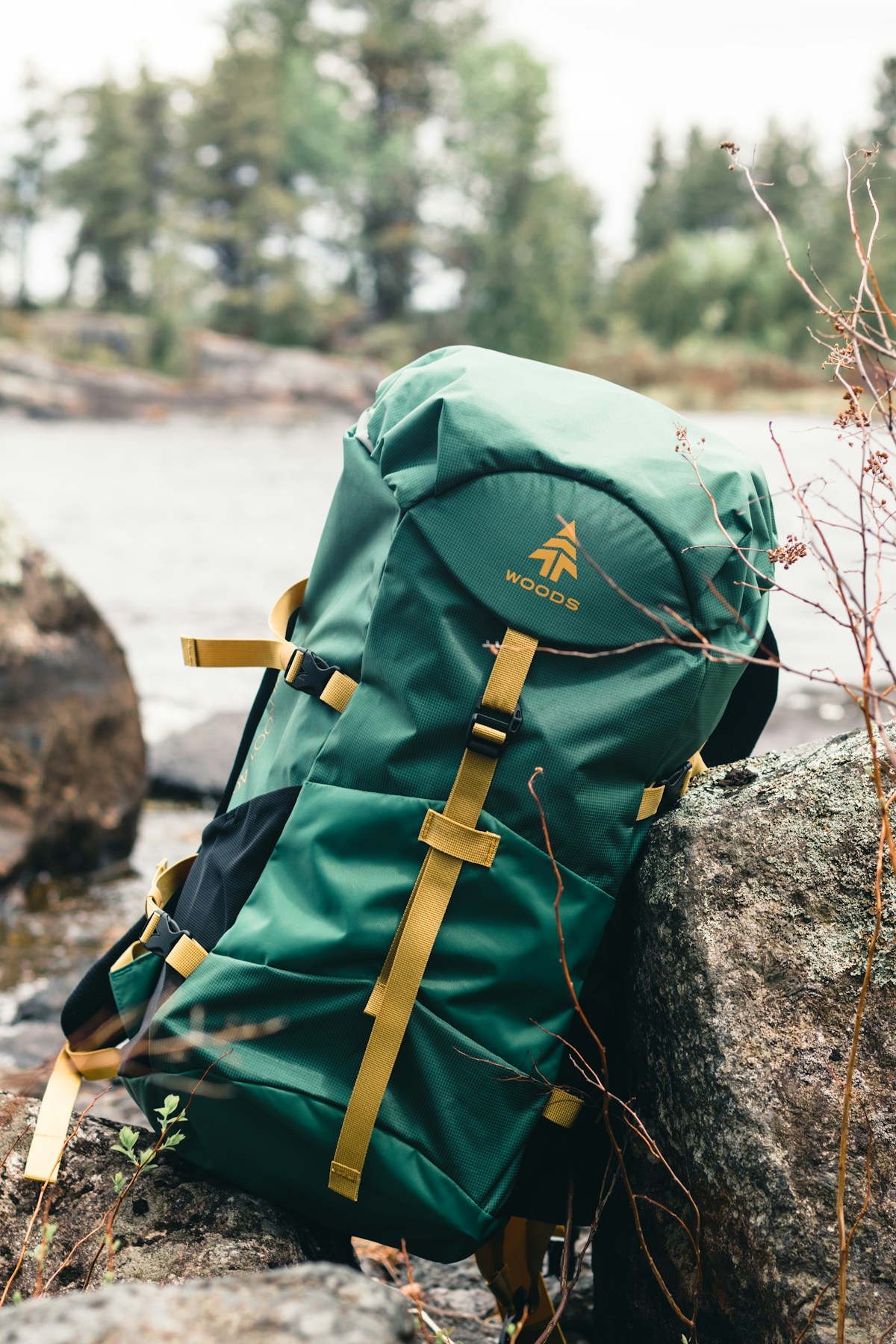
1. Hiking Backpacks: Your Mobile Base Camp
A hiking backpack is one of the most important pieces of outdoor equipment. It carries everything you need during your adventure, including water, food, extra clothing, navigation tools, and emergency supplies.
The right backpack should distribute weight comfortably across your body rather than placing unnecessary pressure on your shoulders.
Choosing the right backpack capacity
| Backpack Size | Typical Use |
|---|---|
| 10–20 liters | Short walks and lightweight day hikes |
| 20–35 liters | Most day hikes and longer outdoor excursions |
| 35–50 liters | Longer hikes with additional equipment |
| 50–70+ liters | Multi-day backpacking trips with camping equipment |
These capacities are general guidelines, not strict rules. Your ideal backpack depends on the season, trip duration, equipment weight, and whether you need to carry sleeping and cooking systems.
Important backpack features
- Adjustable shoulder straps: Help you achieve a comfortable fit.
- Hip belt: Transfers much of the pack's weight to your hips when properly fitted.
- Ventilated back panel: Can improve airflow between your back and the backpack.
- Multiple compartments: Make it easier to organize essential items.
- Rain cover: Provides additional protection during wet weather.
- Compression straps: Help stabilize the load and reduce unnecessary movement.
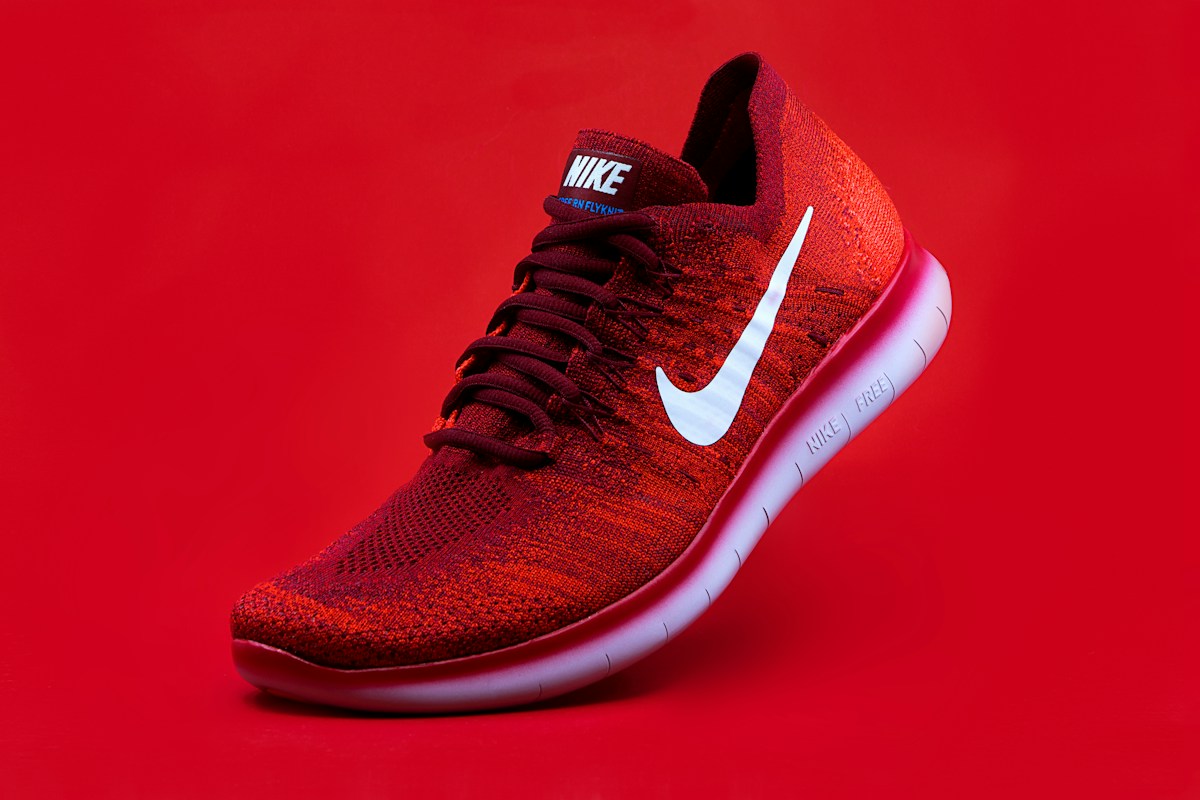
2. Hiking Boots and Shoes: The Foundation of Every Step
Your footwear is one of the most important decisions you will make when preparing for a hiking trip. The wrong shoes can cause blisters, discomfort, and instability, especially when walking over rocks, mud, loose gravel, or steep terrain.
There is no single type of hiking footwear that works perfectly for every trail. The best choice depends on the terrain, weather, backpack weight, and your personal comfort.
Different types of hiking footwear
Hiking Shoes
Lightweight footwear designed for day hikes and moderate trails. They often allow greater freedom of movement.
Hiking Boots
Usually provide more coverage around the ankle and may offer additional structure for rugged terrain and heavier loads.
Trail Running Shoes
Lightweight options with trail-oriented traction, often preferred by hikers who value speed and flexibility.
Approach Shoes
Designed for rocky approaches and scrambling, combining walking comfort with specialized grip.
What makes a good hiking shoe?
- A comfortable fit with enough room for your toes.
- Outsoles with traction appropriate for the terrain.
- A stable feel when walking over uneven surfaces.
- Materials suitable for the expected weather.
- Minimal friction and no painful pressure points.
Always test new hiking footwear on shorter walks before taking it on a demanding route. A shoe that looks excellent in a store may not suit the shape of your feet.
3. Hiking Clothing: Dressing for Changing Conditions
Outdoor weather can change quickly, particularly in mountainous areas. A sunny morning can turn into a cold, windy, or rainy afternoon. This is why experienced hikers often use a layering system instead of relying on one thick jacket.
The three-layer clothing system
Base Layer: The layer closest to your skin. Moisture-wicking synthetic fabrics or merino wool can help manage sweat and improve comfort. Cotton is generally less suitable for cold conditions because it retains moisture and dries slowly.
Insulating Layer: Provides warmth by trapping air. Fleece jackets, synthetic insulated clothing, and down jackets are common options, depending on the climate and activity.
Outer Shell: Protects against wind and precipitation. Waterproof or water-resistant jackets can be useful, but breathability is also important during active movement.
Other useful clothing accessories
- Moisture-managing hiking socks.
- A sun hat or warm beanie depending on the season.
- Lightweight gloves for cold conditions.
- Convertible hiking pants for changing temperatures.
- Rain pants when prolonged wet conditions are expected.
4. Navigation Equipment: Never Depend on Guesswork
Finding your way is a fundamental hiking skill. Even trails with clear markings can become confusing at intersections, in dense forests, or during poor visibility.
Modern navigation devices are useful, but relying exclusively on a smartphone can be risky. Batteries can run out, devices can become damaged, and some remote locations have no cellular coverage.
Essential hiking navigation tools
- Physical trail map: Provides an overview of the route and surrounding terrain.
- Compass: Helps determine direction when used with a map.
- GPS device: Can provide location information even without cellular service.
- Offline maps: Allow smartphone navigation without an internet connection when downloaded in advance.
- Power bank: Helps keep electronic devices charged.
Before leaving, study your route, identify important junctions, and understand how to recognize your position on a map. Carry a backup navigation method that you know how to use.
5. Hydration Equipment: Water Is a Priority
Staying hydrated is essential during physical activity, especially in hot weather or on demanding mountain trails. Carrying enough water should be part of every hiking plan.
Water bottles or hydration reservoirs?
| Equipment | Advantages |
|---|---|
| Reusable Water Bottle | Simple, durable, and easy to refill. |
| Hydration Reservoir | Allows convenient drinking through a tube while walking. |
| Collapsible Water Bottle | Lightweight and compact when empty. |
| Water Filter | Can treat water from suitable natural sources when used correctly. |
Never assume that clear mountain water is automatically safe to drink. Natural water can contain harmful microorganisms. Use an appropriate treatment method, such as a suitable filter, chemical treatment, or boiling, depending on the water source and possible contaminants.
6. Trekking Poles: Extra Stability on Difficult Trails
Trekking poles are popular among hikers who regularly explore steep, rocky, or uneven terrain. They provide additional points of contact with the ground and can help with balance.
When used correctly, trekking poles may also reduce some of the load experienced by the lower body, particularly during descents. However, they are not essential for every hiker or every trail.
Features worth considering
- Adjustable length for different terrain.
- Comfortable wrist straps and handles.
- Reliable locking mechanisms.
- Durable construction.
- Suitable tips and baskets for different surfaces.
Learning the correct pole technique is important. Poorly adjusted poles can become uncomfortable rather than helpful.
7. Lighting Equipment: Prepare for Darkness
Even a well-planned day hike can take longer than expected. A wrong turn, an unexpected injury, or difficult weather can delay your return. Reliable lighting is therefore an important part of hiking safety.
A headlamp is particularly useful because it keeps your hands free while walking, preparing equipment, or checking a map.
What to look for in a headlamp
- Brightness appropriate for your environment.
- Comfortable and adjustable headband.
- Suitable battery life.
- Weather resistance.
- A reliable power source and spare batteries or charging option.
Always check the battery before departure. Carry a backup light source when the route or conditions make darkness a realistic possibility.

8. First Aid and Emergency Hiking Equipment
A small first aid kit can be extremely valuable when minor injuries happen far from medical assistance. Blisters, cuts, scrapes, and minor sprains are among the problems hikers may encounter.
Useful first aid supplies
- Adhesive bandages in different sizes.
- Blister dressings or suitable blister care supplies.
- Sterile gauze and medical tape.
- Antiseptic wipes.
- Disposable gloves.
- Personal medication and essential medical supplies.
- Small scissors or trauma shears where appropriate.
Additional emergency gear
- Emergency whistle.
- Thermal emergency blanket.
- Reliable communication device.
- Extra food and water appropriate for the route.
- Waterproof fire-starting supplies where legal and appropriate.
- Emergency shelter or bivy for remote and exposed routes.
Carrying emergency equipment is only part of preparation. Learn basic first aid, understand the limitations of your equipment, and share your route and expected return time with someone you trust.
9. The Complete Hiking Gear Checklist
Before leaving for your next adventure, use this checklist to make sure you have considered the most important equipment.
Essential Hiking Gear
- Hiking backpack
- Suitable hiking shoes or boots
- Weather-appropriate clothing
- Water bottles or hydration reservoir
- Food and trail snacks
- Map and compass or suitable GPS navigation
- Fully charged phone
- Headlamp
- First aid kit
- Emergency whistle
- Sun protection
- Rain protection
- Power bank when needed
The equipment you need will depend on the length of your hike, the season, the terrain, and the level of remoteness. A short local walk does not require the same equipment as a multi-day mountain expedition.
10. How to Choose Hiking Gear Without Wasting Money
Buying outdoor equipment can become expensive, especially when you are starting from zero. Fortunately, you do not need to purchase every accessory immediately.
Begin with the equipment that directly affects your safety and comfort. Suitable footwear, a properly fitted backpack, sufficient water, weather protection, and reliable navigation should receive priority.
Where should beginners spend their money first?
- Footwear: Prioritize a comfortable fit and suitable traction.
- Backpack: Choose a capacity and carrying system that match your activities.
- Clothing: Invest in practical layers suitable for your local climate.
- Navigation: Learn to use maps and carry reliable backup tools.
- Safety equipment: Build a basic first aid and emergency kit.
For expensive equipment, compare durability, repair options, weight, warranty, and real-world performance rather than focusing only on brand names.
Frequently Asked Questions About Hiking Gear
What is the most important hiking equipment?
There is no single item that replaces good preparation. Suitable footwear, water, weather protection, navigation tools, and essential emergency supplies are among the most important items to consider.
Do beginners need expensive hiking equipment?
No. Beginners can start with practical, reliable equipment that matches the difficulty of their routes. Specialized and expensive gear becomes useful when specific activities or conditions require it.
Are waterproof hiking shoes always better?
Not necessarily. Waterproof footwear can be useful in wet and cold conditions, but it may be warmer and slower to dry if water enters from the top. Breathable non-waterproof shoes can be preferable in hot or dry environments.
How heavy should a hiking backpack be?
There is no universal weight limit for every hiker. The goal is to carry the equipment needed for the route while avoiding unnecessary items. Backpack weight should be appropriate for your fitness, body, experience, and trip conditions.
What should I carry on a short day hike?
At a minimum, consider water, food, suitable clothing, navigation, sun protection, a headlamp, and basic first aid supplies. Remote or difficult trails may require additional emergency equipment.
Final Thoughts: The Right Gear Makes Every Trail Better
Hiking equipment is not simply a collection of outdoor accessories. Each item has a purpose, from protecting your feet and keeping you comfortable to helping you navigate unfamiliar terrain and respond to unexpected situations.
The smartest hikers are not necessarily those carrying the most expensive equipment. They are the ones who understand their gear, know when to use it, and prepare according to the demands of the trail.
Start with the essentials, learn how your equipment performs, and improve your setup as your hiking experience grows. With the right preparation, every trail becomes an opportunity to explore with greater confidence.
Comments
Post a Comment