Jackery Explorer 300 Review: Is This Portable Power Station Worth It for Camping? If you spend weekends camping off-grid, running a mobile photography setup, or powering essential devices during long wilderness trips, having reliable portable power is non-negotiable. The Jackery Explorer 300 has long been a favorite among outdoor enthusiasts, but with upgraded LiFePO4 battery chemistry and ultra-fast charging capabilities, does it still hold the crown for mid-tier portable power stations? In this hands-on review, we break down the specs, real-world performance, pros and cons, and whether this power station belongs in your camping setup. 👉 Check Current Price & Deals for Jackery Explorer 300 on Amazon Quick Verdict: Who Is The Jackery Explorer 300 For? Best For: Campers, drone pilots, tailgaters, CPAP users needing weekend battery backup, and hikers needing lightweight off-grid power. Not For: Heavy appliance operation (refrigerators, high-wattag...
The Secret Engineering of Hiking Trails: How America's Wilderness Paths Are Built and Protected
Have you ever wondered why hiking trails wind through forests instead of following perfectly straight lines? Or why some mountain paths have carefully constructed stone steps, wooden bridges, and unusual curves? These features are not random. Behind every well-maintained hiking trail lies a fascinating combination of environmental science, engineering, history, and human effort.
Across the United States, thousands of miles of hiking trails connect people with some of the most beautiful natural landscapes on Earth. From the Appalachian Mountains to the Rocky Mountains and the forests of the Pacific Northwest, these paths allow hikers to explore wilderness areas while helping protect the surrounding environment.
However, building a sustainable hiking trail is much more complicated than simply clearing a path through the trees. Trail designers must understand soil conditions, water movement, wildlife habitats, vegetation, and the natural shape of the land. Every decision can influence how a trail survives over time.

1. Why Hiking Trails Are Rarely Built in Straight Lines
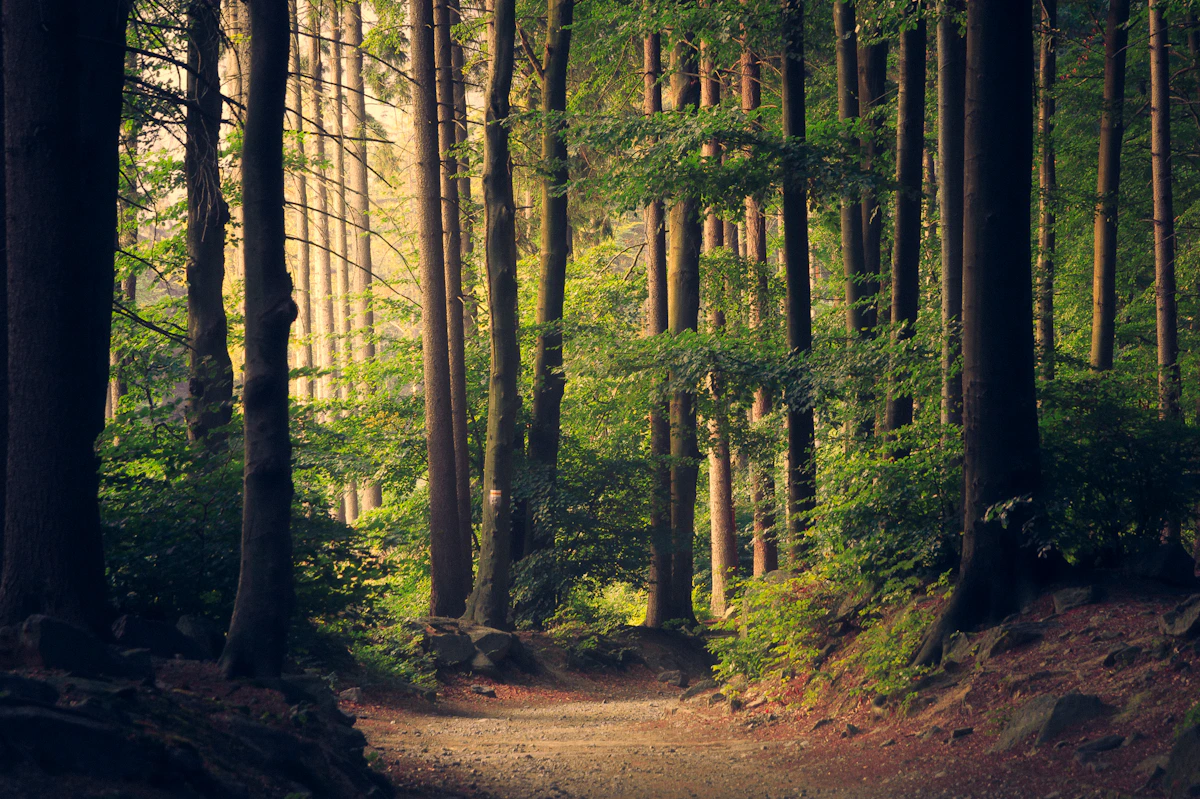
One of the most interesting features of mountain hiking trails is their winding shape. Instead of climbing directly toward a summit, many trails follow gradual curves known as switchbacks.
These curves serve an important purpose. Walking straight up a steep mountain creates a direct route for rainwater to flow downhill. Over time, running water can remove soil, expose rocks, deepen channels, and transform a hiking path into an erosion ditch.
Switchbacks reduce the steepness of the route and help distribute the physical effort required to climb. They also reduce the speed at which water travels along the trail, helping protect the surrounding landscape.
How Switchbacks Protect the Environment
- Reduced soil erosion: Gradual slopes help prevent rainwater from rapidly washing away loose soil.
- Safer climbing: Hikers can gain elevation without facing extremely steep sections.
- Better trail durability: Properly designed curves reduce the concentration of water flowing along the path.
- Vegetation protection: Established routes discourage visitors from creating multiple informal paths across fragile terrain.
The next time you encounter a winding mountain trail, remember that its shape is often the result of careful planning rather than unnecessary distance.

2. The Hidden Enemy of Every Hiking Trail: Water Erosion
Water is one of the biggest challenges facing hiking trail maintenance teams. Although rainfall is essential for healthy forests and ecosystems, uncontrolled water movement can gradually destroy even well-established trails.
When rain falls on a mountain, some water enters the soil, while the rest travels across the surface. If a hiking trail is poorly designed, it can become a channel that collects and directs runoff downhill.
This process can remove valuable topsoil, expose tree roots, create deep muddy sections, and make certain routes dangerous for hikers.
How Trail Builders Control Rainwater
Professional trail builders use several techniques to move water away from walking surfaces without damaging nearby ecosystems.
- Water bars: Small barriers built across a trail to redirect flowing water toward natural drainage areas.
- Drainage dips: Carefully shaped sections that allow rainwater to leave the trail instead of flowing along it.
- Outsloping: A slight outward angle that encourages water to move off the walking surface.
- Rock reinforcement: Strategically placed stones that stabilize vulnerable sections of the trail.
These structures may appear simple, but they play a major role in preserving hiking routes, protecting nearby vegetation, and reducing long-term maintenance costs.
3. Why Some Hiking Trails Have Stone Steps and Wooden Bridges
Not every section of a hiking trail can remain a simple dirt pathway. In areas with steep slopes, wet ground, streams, or unstable soil, additional structures are sometimes necessary.
Stone steps are commonly used on steep sections where repeated foot traffic could otherwise loosen the soil. They provide a more stable walking surface and help prevent hikers from creating new paths around difficult obstacles.
Wooden bridges and boardwalks serve another purpose. They allow visitors to cross small streams, wetlands, and muddy areas without disturbing sensitive habitats.
The Importance of Boardwalks in Wetlands
Wetlands are among the most valuable natural environments in the world. They provide habitats for birds, amphibians, insects, and numerous plant species. They also help filter water and reduce flooding.
Unfortunately, repeated foot traffic can damage delicate wetland vegetation and compact the soil. Elevated boardwalks create a designated walking surface that reduces direct contact with the ground.
For this reason, wooden walkways are frequently found in nature reserves, national parks, and protected wilderness areas throughout the United States.

4. The People Who Keep America's Hiking Trails Alive
Many hikers enjoy beautiful trails without realizing how much work is required to maintain them. Behind many popular hiking routes are dedicated trail crews, conservation organizations, park employees, and volunteers.
These people perform essential tasks throughout the year. Their responsibilities include removing fallen trees, repairing damaged bridges, clearing drainage systems, rebuilding eroded sections, replacing trail signs, and monitoring environmental conditions.
What Does Trail Maintenance Actually Involve?
- Clearing obstacles: Removing fallen branches and trees that block established hiking routes.
- Repairing erosion: Rebuilding damaged trail surfaces and stabilizing exposed soil.
- Maintaining drainage: Cleaning water channels and repairing structures that redirect runoff.
- Replacing signs: Keeping trail markers and directional information visible and accurate.
- Protecting habitats: Identifying sensitive areas that require special protection or temporary closures.
In many American wilderness areas, volunteers contribute thousands of hours to trail maintenance every year. Their efforts help preserve outdoor recreation opportunities for future generations.

5. How Hiking Trails Affect Wildlife and Natural Habitats
Hiking trails do more than provide access to beautiful landscapes. They also influence how people interact with wildlife and natural habitats.
Animals depend on forests, grasslands, wetlands, and mountain environments for food, shelter, breeding, and migration. Poorly planned trails can disturb these natural activities, especially when visitors leave designated routes or approach wildlife too closely.
For example, repeated human activity near nesting areas may disturb certain bird species. Noise and off-trail movement can also influence the behavior of mammals and other wildlife.
Why Staying on Marked Trails Matters
Walking outside established routes may seem harmless, but repeated activity can gradually damage vegetation, expose soil, and create informal trails. These additional paths can fragment sensitive habitats and increase the overall environmental footprint of outdoor recreation.
Responsible hikers can help reduce these effects by following marked routes, respecting seasonal closures, keeping a safe distance from wildlife, and avoiding the collection of plants, rocks, or other natural materials where prohibited.
6. The Science Behind Sustainable Trail Design
Modern hiking trail construction increasingly relies on environmental science and sustainable land management principles. Instead of designing a path based only on convenience, planners consider how the route will interact with the surrounding landscape over many years.
Several factors influence whether a hiking trail will remain stable and environmentally responsible.
Important Factors in Trail Planning
- Soil composition: Different soil types have different abilities to absorb water and resist erosion.
- Slope and elevation: Steep terrain requires careful route planning and appropriate drainage.
- Natural vegetation: Existing plants help stabilize soil and provide habitat for wildlife.
- Water sources: Streams, wetlands, and seasonal drainage areas must be considered before construction.
- Visitor traffic: Popular trails may require stronger surfaces and more frequent maintenance.
By understanding these environmental conditions, trail designers can create routes that remain enjoyable for hikers while reducing unnecessary damage to nature.
7. How Hikers Can Help Preserve America's Wilderness Trails
Trail conservation is not only the responsibility of park authorities and professional maintenance teams. Every visitor can contribute to protecting the places they explore.
Simple decisions made during a hiking or camping trip can significantly reduce environmental damage over time.
- Stay on established trails: Avoid creating shortcuts or walking through fragile vegetation.
- Carry out your trash: Never leave food packaging, plastic bottles, or other waste in natural areas.
- Respect trail closures: Temporary restrictions often protect damaged landscapes or sensitive wildlife habitats.
- Use established campsites: Whenever possible, camp in designated areas to reduce soil compaction and vegetation damage.
- Keep wildlife wild: Observe animals from a safe distance and never feed them.
- Be considerate of others: Respect other hikers, maintain reasonable noise levels, and follow local trail rules.
These practices are closely connected to the Leave No Trace principles, a widely recognized outdoor ethics framework that encourages people to minimize their impact on natural environments.
8. Fascinating Facts About Hiking Trails
The world of hiking trails contains many interesting details that most visitors rarely notice. Here are a few facts that help explain why these pathways are such important parts of outdoor recreation.
- Some hiking trails follow routes that were originally used by Indigenous communities, explorers, traders, or early settlers.
- Switchbacks are designed to reduce steepness and help manage water erosion on mountain slopes.
- Trail maintenance can require specialized tools, physical labor, and knowledge of local ecosystems.
- Boardwalks help protect sensitive wetlands by keeping foot traffic above fragile ground surfaces.
- Even small amounts of repeated foot traffic can gradually damage vegetation and compact soil.
- Well-maintained trails can help concentrate recreational activity and reduce the spread of informal paths.
9. Frequently Asked Questions About Hiking Trail Construction and Maintenance
Why do hiking trails have so many curves?
Many mountain trails use switchbacks to reduce steepness, make climbing more manageable, and limit soil erosion caused by concentrated water runoff.
Who is responsible for maintaining hiking trails in the United States?
Trail maintenance is carried out by different organizations, including federal and state park agencies, local authorities, conservation groups, and volunteer organizations.
Why are some hiking trails covered with rocks?
Rocks can create a more stable walking surface, protect exposed soil, improve drainage, and reduce erosion in areas with heavy foot traffic.
What causes hiking trails to become muddy?
Poor drainage, rainfall, snowmelt, compacted soil, and heavy visitor traffic can all contribute to muddy trail conditions.
Can hikers help with trail conservation?
Yes. Staying on marked routes, following Leave No Trace principles, respecting closures, and participating in organized volunteer activities can all help protect hiking trails.
Conclusion: Every Hiking Trail Has a Story Behind It
A hiking trail may look like nothing more than a narrow path through the forest, but its construction and maintenance involve a remarkable amount of knowledge, planning, and effort.
From the curves of mountain switchbacks to the stones that stabilize steep slopes, every carefully designed feature can serve an important purpose. These pathways connect people with nature while helping manage the environmental effects of outdoor recreation.
The next time you go hiking in a national park, walk through a forest, or explore a mountain wilderness, take a moment to notice the details around you. The trail beneath your feet is not simply a route through nature. It is also an example of how thoughtful design and conservation can work together to protect the outdoors.
At The Hiking Camp, we believe that understanding nature makes every outdoor adventure more meaningful. The more we learn about the places we explore, the better we can protect them for generations to come.
Comments
Post a Comment