Jackery Explorer 300 Review: Is This Portable Power Station Worth It for Camping? If you spend weekends camping off-grid, running a mobile photography setup, or powering essential devices during long wilderness trips, having reliable portable power is non-negotiable. The Jackery Explorer 300 has long been a favorite among outdoor enthusiasts, but with upgraded LiFePO4 battery chemistry and ultra-fast charging capabilities, does it still hold the crown for mid-tier portable power stations? In this hands-on review, we break down the specs, real-world performance, pros and cons, and whether this power station belongs in your camping setup. 👉 Check Current Price & Deals for Jackery Explorer 300 on Amazon Quick Verdict: Who Is The Jackery Explorer 300 For? Best For: Campers, drone pilots, tailgaters, CPAP users needing weekend battery backup, and hikers needing lightweight off-grid power. Not For: Heavy appliance operation (refrigerators, high-wattag...
The Mysterious Sounds of the Forest at Night: What Really Happens in the Wilderness After Dark?
When the sun disappears behind the mountains and darkness slowly covers the forest, an entirely different world begins to emerge. The familiar sounds of daytime hiking fade away, replaced by mysterious calls, distant movements, rustling leaves, and the continuous songs of nocturnal creatures.
For campers and outdoor enthusiasts, spending a night in the wilderness can be an unforgettable experience. However, many people do not realize how active forests become after sunset. Animals that remain hidden during daylight begin searching for food, insects become more noticeable, and some of nature's most fascinating behaviors take place under the cover of darkness.
The nighttime forest is not simply a quieter version of the daytime environment. It is a complex ecosystem with its own rhythms, survival strategies, and communication systems. Understanding these natural sounds can make camping and wilderness exploration much more interesting.

1. Why Does the Forest Sound Different at Night?
One of the first things campers notice after sunset is how different the forest sounds. During the day, birds, insects, hikers, and moving water create a mixture of natural sounds. At night, many daytime animals become less active, allowing other sounds to become more noticeable.
Some nocturnal animals begin calling to attract mates, defend territories, or communicate with members of their species. Insects produce continuous buzzing and chirping sounds, while frogs may become especially vocal near ponds and streams.
Temperature changes also influence the nighttime environment. As the ground and surrounding air cool, differences in temperature and humidity can affect how sound travels through the landscape.
Why Some Sounds Seem Louder After Dark
- Reduced background noise: Fewer daytime activities make individual animal calls easier to notice.
- Animal behavior: Many nocturnal species become active after sunset.
- Temperature changes: Atmospheric conditions can influence how sound travels.
- Increased awareness: Without daylight distractions, campers often pay more attention to small environmental sounds.
What may initially sound mysterious is often simply the normal activity of a healthy forest ecosystem.
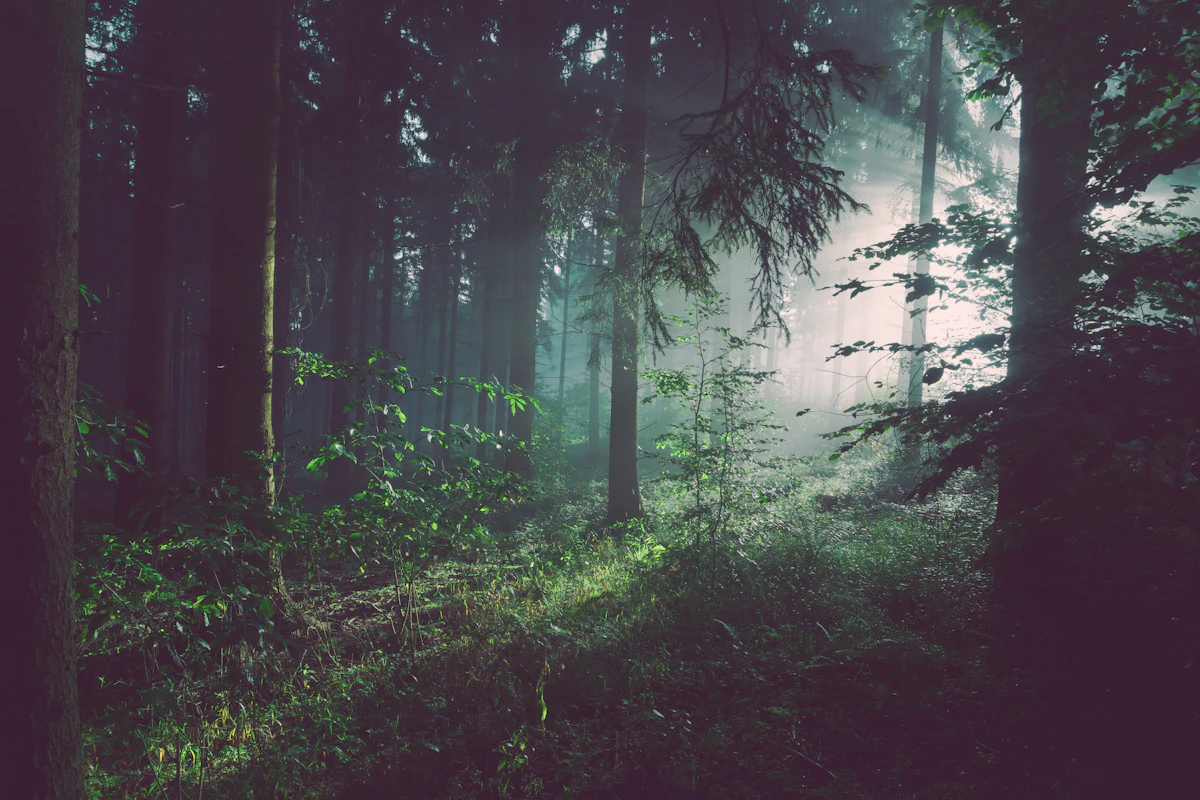
2. The Secret Nightlife of Forest Animals
Not all forest animals follow the same daily schedule. While some species are active during daylight, others are adapted to search for food, reproduce, and move around at night.
These animals are often described as nocturnal. Their behavior and physical characteristics help them survive in environments where visibility is limited.
Owls: The Silent Night Hunters
Owls are among the most recognizable nocturnal birds. Many species have exceptional hearing and specialized feathers that help reduce the noise produced by their wings during flight.
Their facial structures help direct sound toward their ears, allowing them to detect small animals moving through vegetation or beneath leaves.
Although owls are famous for their nighttime hunting, not every owl species is strictly nocturnal. Some are active during the day or around dawn and dusk.
Foxes: Skilled Nighttime Explorers
Foxes are adaptable mammals that can be active during different parts of the day, depending on their environment and human activity. In many areas, they are particularly active at night.
Their excellent hearing and sense of smell help them locate small mammals, insects, and other food sources. Some fox species also produce distinctive calls that can surprise people camping in unfamiliar forests.
Bats: Important Insect Hunters
Bats play an important role in many forest ecosystems. Most North American bat species are active at night and use echolocation to navigate and locate insects.
By producing high-frequency sounds and interpreting the returning echoes, bats can detect objects and flying prey in extremely low-light conditions.

3. Why Do Insects Sing Throughout the Night?
One of the most recognizable sounds of a summer night in the wilderness is the continuous chirping of insects. Crickets, katydids, and cicadas can produce sounds that fill entire forest landscapes.
Many insects use sound as a communication tool, particularly when searching for mates. Male crickets, for example, produce sounds by rubbing specialized body parts together in a process called stridulation.
The frequency and intensity of insect sounds can vary according to species, temperature, and environmental conditions.
The Interesting Relationship Between Temperature and Cricket Sounds
Temperature can influence how quickly many crickets produce their calls. In certain species, warmer conditions are associated with faster chirping rates.
This relationship has even inspired traditional methods of estimating outdoor temperature using cricket sounds. However, these estimates are species-dependent and should not be treated as precise weather measurements.
Insects are also an important food source for birds, bats, amphibians, and other wildlife. Their nighttime activity supports food webs that help keep forest ecosystems functioning.

4. Strange Sounds Made by Trees and Plants
Not every unusual sound in the forest comes from an animal. Trees, branches, leaves, and other natural materials can also produce noises that become particularly noticeable during the night.
When temperatures change, wood can expand or contract slightly. Branches may rub against each other when the wind moves through the canopy, producing creaking and cracking sounds.
Fallen branches can also shift under their own weight, while dry leaves create rustling noises whenever they are disturbed by wind or passing animals.
Why Do Trees Sometimes Make Cracking Sounds?
- Temperature fluctuations: Changes in temperature can affect the movement and tension of wood.
- Wind pressure: Branches move and sometimes rub against neighboring branches.
- Falling debris: Small branches and leaves may drop from the canopy.
- Wood movement: Existing cracks and internal stresses can produce occasional sounds.
These natural processes are generally harmless, although loud cracking sounds accompanied by strong winds may indicate falling branches or unstable trees. Campers should always avoid setting up tents beneath dead or damaged trees.
5. How Frogs Transform Forests Near Water at Night
Forests containing ponds, marshes, and streams often have a particularly active nighttime soundscape. Frogs and toads are important members of these ecosystems, and many species become more vocal after sunset.
Male frogs frequently use calls to attract females. Each species has characteristic vocalizations, helping individuals recognize potential mates of their own species.
Rainfall and humidity can also influence amphibian activity. Certain frogs become especially active during warm, wet periods when conditions are favorable for reproduction.
Why Frogs Are Important to Forest Ecosystems
- They help control populations of insects and other small invertebrates.
- They provide food for snakes, birds, mammals, and other predators.
- Their permeable skin makes many amphibians sensitive to environmental changes.
- They contribute to the balance of aquatic and terrestrial food webs.
Because amphibians are sensitive to pollution, habitat destruction, and changes in water quality, their presence can provide useful information about the condition of certain ecosystems.

6. How Animals Adapt Their Eyes to Darkness
Surviving in a forest at night requires more than simply being able to move around without sunlight. Many nocturnal animals have visual adaptations that allow them to use limited available light more effectively.
Some species have large eyes that collect more light. Others possess a specialized reflective layer behind the retina called the tapetum lucidum.
This structure reflects light back through the retina, giving the photoreceptor cells another opportunity to detect it. It is also responsible for the familiar glowing appearance of many animals' eyes when illuminated by a flashlight.
Why Do Animal Eyes Shine at Night?
When a flashlight points toward certain animals, their eyes may appear green, yellow, orange, or another reflective color. This effect is caused by light reflecting from structures inside the eye.
Not every animal has a tapetum lucidum, and the color and intensity of eye shine vary between species.
For campers, this phenomenon can be fascinating, but it is important to avoid shining bright lights directly into wildlife's eyes for extended periods.
7. What Happens to Forest Temperatures After Sunset?
As sunlight disappears, the ground begins losing heat. This process is known as radiative cooling, and it can cause nighttime temperatures to fall significantly, especially under clear skies.
Forests have complex temperature patterns because trees, vegetation, soil moisture, and canopy density all influence how heat moves through the environment.
Dense forest canopies may reduce temperature fluctuations near the ground by limiting exposure to direct sunlight during the day and influencing heat loss at night.
Why Campers Should Understand Nighttime Cooling
Temperature differences between daytime and nighttime can be substantial in mountainous and desert environments. Even a pleasant afternoon can be followed by a very cold night.
Campers should therefore prepare suitable sleeping bags, insulated sleeping pads, and appropriate clothing rather than relying on daytime temperatures when planning an overnight trip.

8. How to Experience the Night Forest Safely
Exploring a forest after dark can be a memorable outdoor experience, but it requires additional preparation and awareness.
Reduced visibility makes navigation more difficult, while wildlife activity and changing temperatures create conditions that hikers should respect.
Whether you are camping in a national forest, exploring a designated campground, or enjoying an evening walk, a few basic precautions can make the experience safer.
- Carry a reliable headlamp: Keep your hands free while walking and navigating around camp.
- Bring spare batteries: Never depend on a single light source during a nighttime outing.
- Stay on established trails: Avoid wandering into unfamiliar terrain in darkness.
- Check local wildlife guidance: Learn about animals and food-storage rules in your camping area.
- Secure food properly: Follow local regulations for bear-resistant containers and food storage.
- Watch the weather: Prepare for falling temperatures, rain, and changing conditions.
- Respect wildlife: Observe animals from a distance and avoid feeding or approaching them.
9. Fascinating Facts About the Forest at Night
The nighttime wilderness contains many remarkable natural phenomena. Here are some interesting facts that demonstrate how different forest ecosystems become after sunset.
- Many bat species use echolocation to navigate and find flying insects in darkness.
- Some nocturnal insects communicate using sounds that humans can easily hear, while others use frequencies beyond human hearing.
- Cricket chirping rates are influenced by temperature in many species.
- Some fungi produce a natural glow through a phenomenon known as bioluminescence.
- Many mammals rely heavily on their sense of smell and hearing when searching for food at night.
- Artificial outdoor lighting can interfere with the natural behavior of certain nocturnal animals.
- Some forest animals are most active during twilight periods around sunrise and sunset. These species are described as crepuscular.

10. Frequently Asked Questions About Forest Sounds at Night
Why do forests make strange noises at night?
Most nighttime forest sounds come from wildlife, insects, wind moving through trees, branches rubbing together, and other natural environmental processes.
What animals are most active in American forests at night?
Depending on the region, nocturnal wildlife may include bats, owls, raccoons, foxes, skunks, opossums, and various insects and amphibians.
Why do crickets chirp more at night?
Many cricket species use nighttime calls to attract mates and communicate. Lower levels of daytime background noise may also make their sounds easier to notice.
Is it safe to sleep in a tent in the forest?
Camping can be safe when visitors choose permitted campsites, follow local wildlife precautions, store food correctly, check weather conditions, and use appropriate outdoor equipment.
Why do animal eyes glow when illuminated at night?
Some animals have a reflective structure behind the retina called the tapetum lucidum. It reflects incoming light and creates the appearance of glowing eyes.
Conclusion: The Forest Never Really Sleeps
When darkness arrives, the forest does not become inactive. Instead, it reveals a different side of nature that many daytime visitors rarely experience.
From the silent hunting techniques of owls and the echolocation abilities of bats to the nighttime songs of insects and frogs, every sound contributes to a complex natural environment.
Understanding these behaviors helps hikers and campers appreciate the biodiversity of wilderness areas and recognize the importance of protecting natural habitats.
The next time you spend a night camping beneath the trees, take a moment to listen carefully. The sounds around your campsite may reveal an entire world of wildlife activity that remains hidden during daylight.
At The Hiking Camp, we believe that every outdoor adventure is an opportunity to discover something new about the natural world.
Comments
Post a Comment