Jackery Explorer 300 Review: Is This Portable Power Station Worth It for Camping? If you spend weekends camping off-grid, running a mobile photography setup, or powering essential devices during long wilderness trips, having reliable portable power is non-negotiable. The Jackery Explorer 300 has long been a favorite among outdoor enthusiasts, but with upgraded LiFePO4 battery chemistry and ultra-fast charging capabilities, does it still hold the crown for mid-tier portable power stations? In this hands-on review, we break down the specs, real-world performance, pros and cons, and whether this power station belongs in your camping setup. 👉 Check Current Price & Deals for Jackery Explorer 300 on Amazon Quick Verdict: Who Is The Jackery Explorer 300 For? Best For: Campers, drone pilots, tailgaters, CPAP users needing weekend battery backup, and hikers needing lightweight off-grid power. Not For: Heavy appliance operation (refrigerators, high-wattag...
The Hidden World of Forest Ecosystems: Wildlife, Trees, and the Secrets of Nature
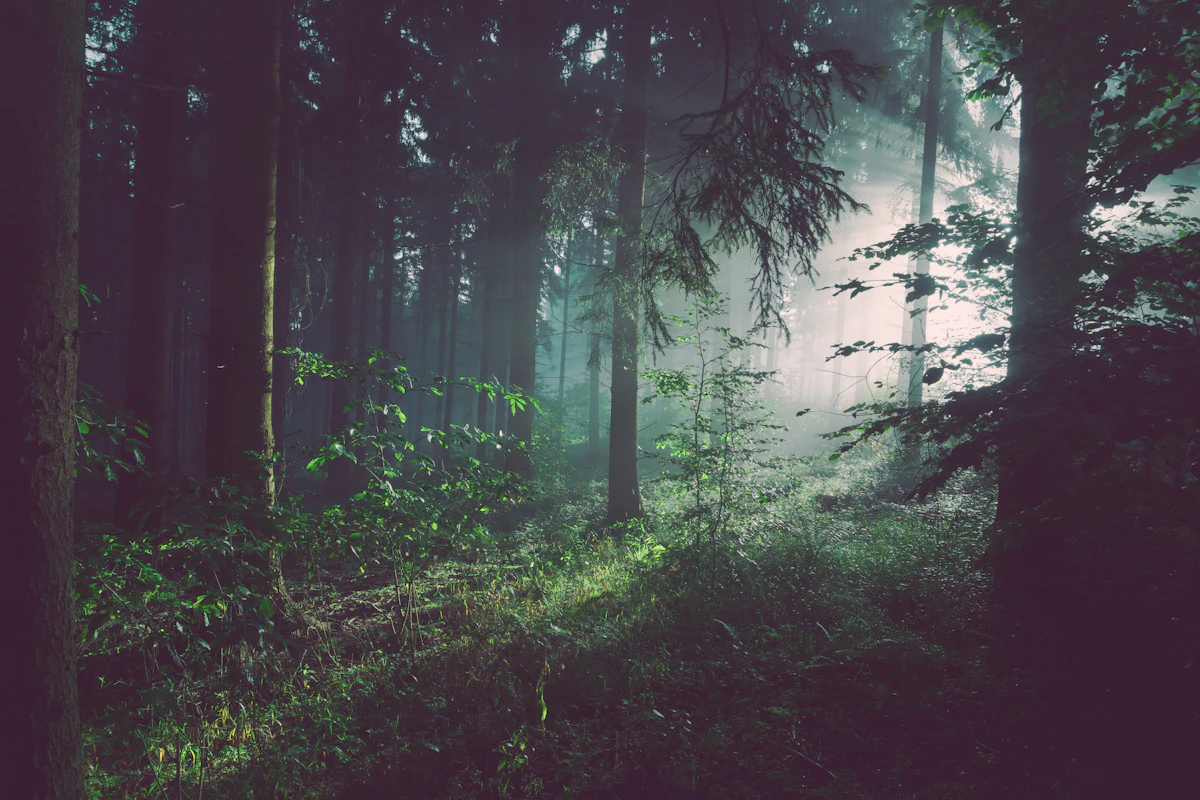
Forests are among the most fascinating and important natural environments on Earth. From the towering pine forests of North America to the dense woodlands of the Appalachian Mountains, these ecosystems support an extraordinary variety of plants, animals, fungi, and microorganisms. Every tree, leaf, insect, and animal plays a role in maintaining the delicate balance of nature.
For hikers, campers, and outdoor enthusiasts, understanding how forests work can completely change the way they experience the wilderness. A forest is not simply a collection of trees. It is a complex living system where thousands of organisms interact, compete, cooperate, and depend on one another for survival.
1. What Exactly Is a Forest Ecosystem?
A forest ecosystem is a natural community made up of living organisms and the physical environment surrounding them. Trees, shrubs, birds, mammals, insects, fungi, soil, water, sunlight, and temperature all contribute to how the ecosystem functions.
These elements are closely connected. Trees absorb sunlight and carbon dioxide to produce energy through photosynthesis. Herbivores consume leaves, seeds, and other plant materials. Predators feed on other animals, while decomposers break down dead organic matter and return nutrients to the soil.
This continuous exchange of energy and nutrients allows forest ecosystems to function and regenerate over time.
The Living and Nonliving Parts of a Forest
Scientists generally divide ecosystem components into two major categories:
- Biotic factors: Living organisms such as trees, plants, animals, bacteria, and fungi.
- Abiotic factors: Nonliving elements such as sunlight, water, temperature, rocks, soil, and air.
Both categories are essential. For example, the amount of sunlight reaching the forest floor influences plant growth, while soil moisture affects the survival of trees and smaller vegetation.
2. The Different Layers of a Forest
One of the most interesting characteristics of forests is their vertical structure. Instead of growing in a single uniform space, vegetation forms different layers, each supporting different organisms and environmental conditions.
The Emergent Layer
In some tall forests, the emergent layer consists of the highest trees rising above the general canopy. These trees receive abundant sunlight and are exposed to wind and changing weather conditions.
The Canopy
The canopy is formed by the upper branches and leaves of trees. It captures much of the available sunlight and provides habitat for birds, insects, squirrels, and numerous other organisms.
The Understory
Below the canopy is the understory, where smaller trees, young plants, shrubs, and shade-tolerant vegetation grow. Light levels are generally lower, and humidity can be higher than in more exposed areas.
The Forest Floor
The forest floor is covered with fallen leaves, branches, seeds, decaying wood, and organic matter. It is home to fungi, insects, worms, bacteria, and many other decomposers that recycle nutrients.

3. The Hidden Relationship Between Trees and Fungi
One of the most fascinating discoveries in forest ecology is the relationship between tree roots and certain soil fungi. Many trees form partnerships with fungi known as mycorrhizae.
In this relationship, fungal filaments connect with or surround tree roots. The fungi help trees absorb water and mineral nutrients, particularly phosphorus, from the soil. In return, the trees provide the fungi with sugars produced through photosynthesis.
These relationships can improve plant nutrition and influence the structure and health of forest communities.
Do Trees Communicate Underground?
You may have heard that trees communicate through an underground network sometimes called the Wood Wide Web. This expression refers to networks of fungal connections associated with plant roots.
Research has demonstrated that resources and chemical signals can move through certain plant-fungal systems. However, popular descriptions of forests as conscious communities where trees deliberately send messages to one another often exaggerate what scientists have established.
The real science is still fascinating: underground biological relationships help shape how forest ecosystems function.
4. Why Dead Trees Are Important for Forests
Many people assume that dead trees and fallen branches are signs of an unhealthy forest. In reality, dead wood is an essential component of many natural ecosystems.
As trees decay, fungi, bacteria, beetles, and other organisms gradually break down their tissues. This process returns nutrients to the soil and creates habitats for numerous species.
Dead Wood as Wildlife Habitat
Fallen logs can provide shelter for salamanders, insects, small mammals, and other organisms. Standing dead trees, often called snags, may offer nesting sites for woodpeckers and other cavity-nesting birds.
Dead wood also helps retain moisture and contributes to the natural structure of forest habitats.
For this reason, removing every dead tree from a forest is not always beneficial. Forest managers consider ecological conditions before deciding which trees should be removed for safety or conservation reasons.
5. How Forests Help Regulate the Earth's Climate
Forests play an important role in the global climate system. Through photosynthesis, trees absorb carbon dioxide from the atmosphere and store carbon in their trunks, branches, roots, and surrounding soil.
Forests also influence local and regional climates through shade, water cycling, and the release of water vapor into the atmosphere.
Carbon Storage
Carbon is stored in living vegetation, dead organic matter, and forest soils. The amount stored depends on forest type, age, climate, soil conditions, and disturbance history.
Cooling the Environment
Tree canopies provide shade and reduce direct solar heating of the ground. Through transpiration, trees also release water vapor, which can contribute to cooling the surrounding environment.
Protecting Water Resources
Forests influence rainfall interception, soil infiltration, groundwater recharge, and stream conditions. Healthy forest landscapes can help protect watersheds and reduce soil erosion, although their effects vary according to geography and land management.
6. Wildlife and the Food Web of a Forest
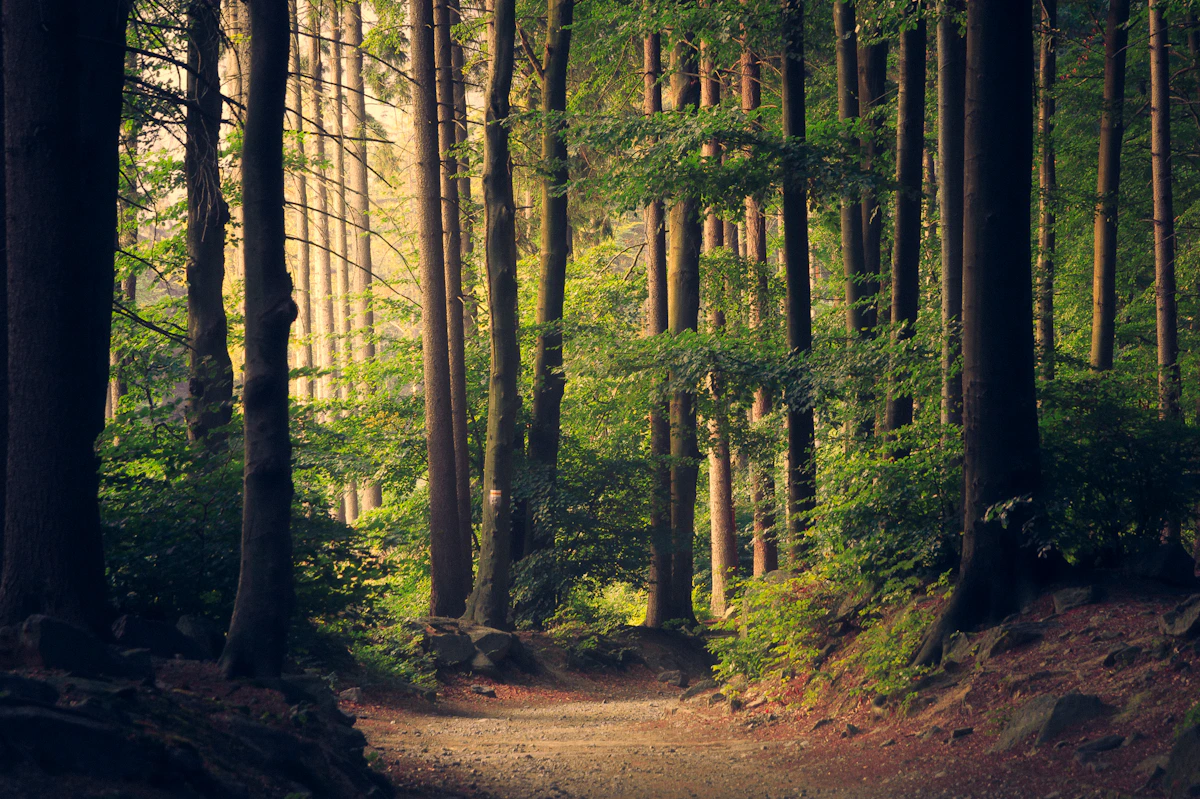
Forests support complex food webs that connect plants, herbivores, predators, scavengers, and decomposers. These relationships help regulate populations and maintain ecological balance.
Primary Producers
Plants, trees, and other photosynthetic organisms form the foundation of most forest food webs. They use sunlight to produce organic matter that supports other organisms.
Herbivores
Deer, rabbits, caterpillars, squirrels, and many other animals consume plant material, seeds, fruits, and leaves.
Predators
Foxes, owls, hawks, bobcats, and other predators feed on smaller animals. Their presence can influence prey populations and broader ecosystem relationships.
Decomposers
Fungi, bacteria, and other organisms break down dead plants and animals. Without decomposition, nutrients would remain trapped in organic material rather than returning to the soil.
These connections demonstrate why removing or losing a single species can sometimes affect many other organisms within an ecosystem.
7. Seasonal Changes: How Forests Adapt Throughout the Year
Forests are constantly changing. Temperature, daylight, precipitation, and seasonal biological cycles influence plant growth and animal behavior.
Spring: A Season of Renewal
As temperatures rise and daylight increases, many trees produce new leaves, flowering plants emerge, and insects become more active. Animals may begin nesting, breeding, or raising their young.
Summer: Maximum Vegetation Growth
In many temperate forests, summer brings dense foliage and active plant growth. The canopy provides shade and creates cooler microclimates beneath the trees.
Autumn: The Changing Colors of Forests
During autumn, many deciduous trees stop producing chlorophyll as daylight decreases and temperatures change. Other pigments become visible, creating the familiar yellow, orange, and red colors of fall foliage.
Winter: Survival and Dormancy
Some trees enter a dormant state, while evergreen species retain their leaves or needles. Animals use different survival strategies, including migration, food storage, reduced activity, and seasonal changes in behavior.

8. Forest Biodiversity: Why Every Species Matters
Biodiversity refers to the variety of life within an ecosystem, including differences among species, genetic variation, and the ecosystems themselves.
A forest with diverse plants, animals, fungi, and microorganisms can contain many different ecological relationships and habitats.
Different species perform different functions. Pollinators help plants reproduce, predators influence animal populations, decomposers recycle nutrients, and vegetation provides food and shelter.
What Happens When Biodiversity Declines?
Habitat destruction, invasive species, pollution, climate change, and certain forms of unsustainable land use can reduce forest biodiversity.
When species disappear, the ecological relationships they support may also be disrupted. The consequences can include changes in food webs, regeneration, soil processes, and ecosystem resilience.
Protecting biodiversity is therefore an important part of long-term forest conservation.
9. How Hikers and Campers Can Help Protect Forest Ecosystems
People who enjoy hiking and camping have an important role in protecting natural environments. Even small actions can reduce damage when practiced consistently by large numbers of outdoor visitors.
- Stay on established trails: Avoid creating unofficial paths that damage vegetation and increase erosion.
- Respect wildlife: Observe animals from a distance and never feed them.
- Pack out your trash: Never leave food packaging, plastic, or other waste in natural areas.
- Protect vegetation: Avoid breaking branches, picking protected plants, or damaging young trees.
- Camp responsibly: Use designated campsites when required and follow local fire restrictions.
- Clean your equipment: Remove mud, seeds, and plant material from boots and camping equipment to reduce the spread of invasive species.
- Respect water sources: Keep soap, wastewater, and other contaminants away from streams and lakes.
These practices are closely connected to the Leave No Trace principles, which encourage responsible outdoor recreation and environmental protection.
10. Fascinating Forest Facts You Probably Did Not Know
- Some fungi form extensive underground networks through their microscopic filaments.
- Old fallen logs can provide important habitats for insects, amphibians, fungi, and other organisms.
- Forest canopies can create significantly different temperature and humidity conditions compared with nearby open areas.
- Woodpeckers create cavities that may later be used by other wildlife species.
- Some tree species depend on animals to disperse their seeds across the landscape.
- Forest soils contain enormous communities of microorganisms that influence nutrient cycling.
- Not all forests are dominated by tall trees; some natural forest ecosystems have relatively short or widely spaced vegetation.
11. Why Understanding Forest Ecology Makes Hiking More Interesting
For outdoor enthusiasts, learning about forest ecology adds another dimension to every hiking adventure. A walk through the woods becomes an opportunity to observe relationships that are often invisible at first glance.
You may notice fungi growing on a fallen log, insects pollinating wildflowers, birds searching for food beneath tree bark, or different plants competing for sunlight.
Understanding these natural processes also encourages responsible behavior. When people recognize how closely organisms depend on their habitats, they become more aware of the importance of protecting those environments.
Whether you are exploring a national forest, camping near a mountain lake, or following a quiet woodland trail, every outdoor experience can become an opportunity to learn something new about the natural world.

Conclusion: Forests Are More Than Just Trees
Forest ecosystems are remarkable living environments where countless organisms interact through complex relationships. From underground fungal partnerships to wildlife food webs and global climate processes, forests perform essential ecological functions that support life on Earth.
For hikers and campers, understanding these systems makes time outdoors more meaningful. It encourages curiosity, appreciation, and a deeper respect for the wilderness.
The next time you walk through a forest, take a moment to look beyond the trees. Notice the soil, fallen leaves, birds, insects, and plants around you. Every small detail is part of a much larger natural system.
The more we understand nature, the better we can protect it.
Welcome to The Hiking Camp — discover nature, explore the wilderness, and learn something new with every adventure.
Frequently Asked Questions About Forest Ecosystems
What are the main components of a forest ecosystem?
A forest ecosystem includes living organisms such as trees, animals, fungi, and microorganisms, together with nonliving elements such as sunlight, water, soil, air, and temperature.
Why are fungi important in forests?
Fungi help decompose organic matter, recycle nutrients, and form beneficial relationships with the roots of many plants and trees.
How do forests help fight climate change?
Forests absorb carbon dioxide through photosynthesis and store carbon in vegetation and soils. They also influence local temperatures and water cycles.
What is biodiversity in a forest?
Forest biodiversity refers to the variety of living organisms, their genetic differences, and the ecological communities and habitats they form.
How can campers protect forest environments?
Campers can protect forests by staying on established trails, respecting wildlife, packing out waste, following fire regulations, and avoiding damage to vegetation.
Explore responsibly and always follow the environmental regulations of the area you visit.
Comments
Post a Comment