Jackery Explorer 300 Review: Is This Portable Power Station Worth It for Camping? If you spend weekends camping off-grid, running a mobile photography setup, or powering essential devices during long wilderness trips, having reliable portable power is non-negotiable. The Jackery Explorer 300 has long been a favorite among outdoor enthusiasts, but with upgraded LiFePO4 battery chemistry and ultra-fast charging capabilities, does it still hold the crown for mid-tier portable power stations? In this hands-on review, we break down the specs, real-world performance, pros and cons, and whether this power station belongs in your camping setup. 👉 Check Current Price & Deals for Jackery Explorer 300 on Amazon Quick Verdict: Who Is The Jackery Explorer 300 For? Best For: Campers, drone pilots, tailgaters, CPAP users needing weekend battery backup, and hikers needing lightweight off-grid power. Not For: Heavy appliance operation (refrigerators, high-wattag...
The Hidden Weather of Mountains: Why One Hiking Trail Can Have Four Different Climates
Imagine starting a hiking adventure on a warm, sunny morning. The sky is clear, the birds are singing, and the temperature feels perfect for spending several hours outdoors. But as you climb higher into the mountains, everything begins to change. A cool breeze appears, clouds gather around the peaks, fog slowly covers the trail, and suddenly the weather feels completely different.
This is not an unusual experience in mountainous environments. Mountains have a remarkable influence on local weather patterns, creating different temperature zones, cloud formations, wind conditions, and precipitation levels over relatively short distances.
For hikers, backpackers, and camping enthusiasts, understanding mountain weather is much more than an interesting scientific subject. It is an important part of outdoor safety and wilderness preparation. A beautiful morning at the bottom of a mountain does not necessarily mean that conditions will remain pleasant near the summit.
But why does this happen? How can a single mountain create such different weather conditions? And what are the hidden atmospheric processes that make mountain environments so unpredictable?

1. Why Temperature Drops as You Climb Higher
One of the first things hikers notice when climbing a mountain is the gradual decrease in temperature. Even during summer, mountain summits can feel surprisingly cold compared with nearby valleys.
This happens because atmospheric pressure decreases with altitude. As air rises into regions of lower pressure, it expands and cools. This process is known as adiabatic cooling.
In the lower atmosphere, the average environmental lapse rate is approximately 6.5 degrees Celsius per 1,000 meters. However, actual temperature changes vary depending on humidity, atmospheric stability, sunlight, and local weather conditions.
Why This Matters for Hikers
A hiking route that begins in a warm valley may eventually lead into a much colder environment. This temperature difference can become especially important during long-distance hikes and overnight camping trips.
- Lower elevations: Often experience warmer temperatures and more direct protection from strong mountain winds.
- Middle elevations: May experience cooler air, changing vegetation, and increasing exposure to wind.
- Higher elevations: Can experience low temperatures, rapidly changing visibility, and more severe weather.
- Mountain summits: Are frequently exposed to strong winds and sudden temperature changes.
This is why experienced hikers often carry additional layers even when the weather forecast predicts warm conditions in nearby towns.
2. The Incredible Process That Creates Mountain Clouds
Have you ever noticed clouds forming directly around a mountain peak while the surrounding sky remains relatively clear?
This phenomenon is closely connected to something called orographic lift. When moist air encounters a mountain, it is forced to rise along the slope. As the air rises, atmospheric pressure decreases, causing it to expand and cool.
If the air cools enough to reach its dew point, water vapor begins condensing into tiny droplets. These droplets form clouds that may appear to wrap around the mountain.
Sometimes, the clouds remain concentrated on one side of the mountain, creating a dramatic visual contrast between sunny and cloudy conditions.
How Orographic Clouds Develop
- Moist air moves toward a mountain range.
- The mountain forces the air to rise.
- Rising air expands and cools.
- Water vapor condenses when the air reaches saturation.
- Clouds develop along the mountain slopes and around higher elevations.
This process can also increase precipitation on the windward side of mountain ranges, making some mountain regions significantly wetter than nearby lowlands.

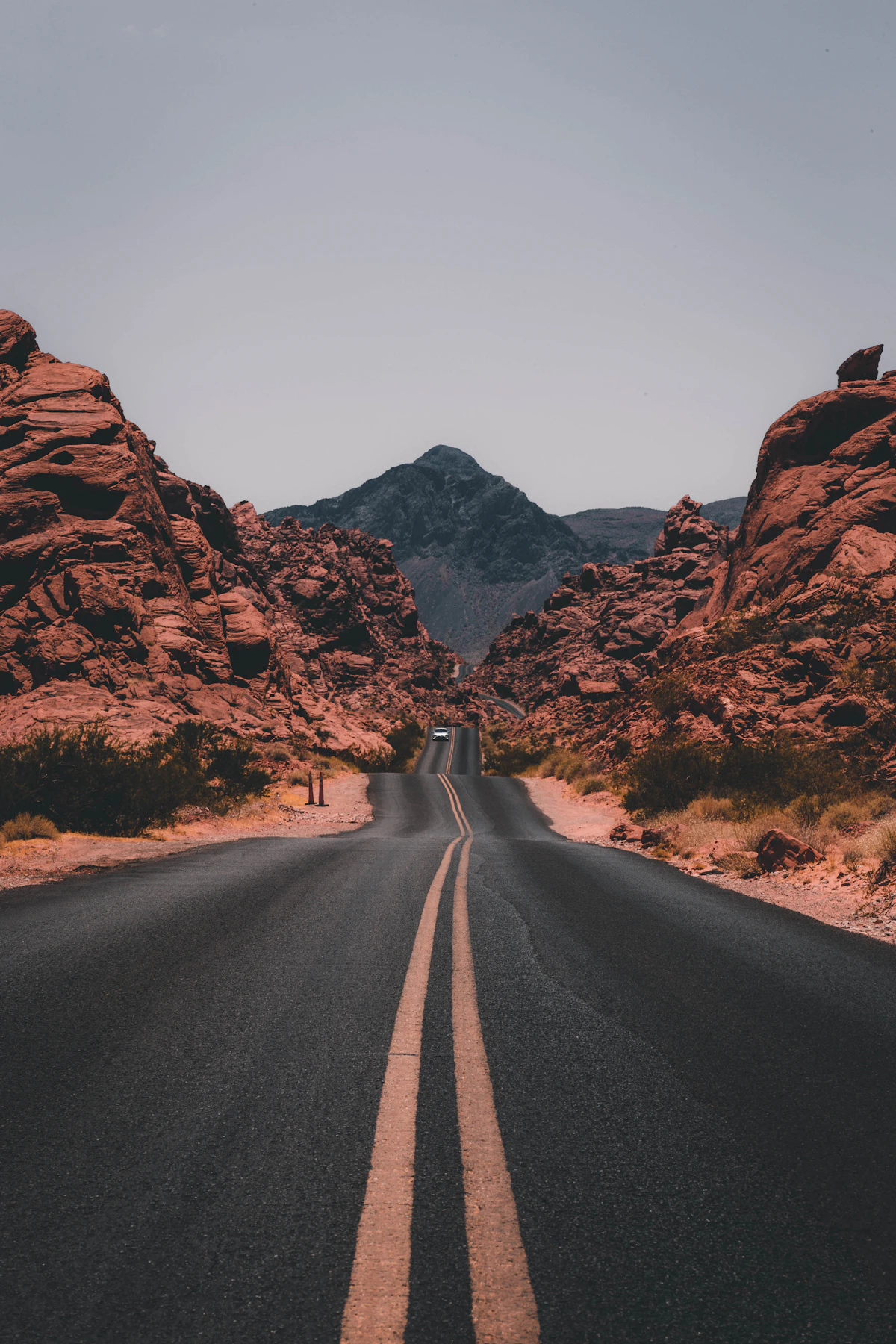
3. The Rain Shadow Effect: Why One Side of a Mountain Is Dry
One of the most fascinating effects of mountain geography is the rain shadow phenomenon. In certain regions, one side of a mountain range receives abundant rainfall while the opposite side remains considerably drier.
The process begins when moist air rises over a mountain. As it cools, clouds develop and precipitation may fall on the windward side.
After crossing the summit, the air descends toward the opposite side. Descending air becomes compressed and warmer, which lowers its relative humidity and makes cloud formation less likely.
The result can be a dramatic difference in vegetation, soil moisture, and local climate across the same mountain range.
Famous Examples in North America
The Cascade Range in the Pacific Northwest provides an excellent example of this phenomenon. Western slopes receive substantial precipitation, supporting extensive forests, while some eastern areas are much drier.
The Sierra Nevada also influences precipitation patterns across California and neighboring regions, contributing to dry conditions in areas east of the range.
For outdoor enthusiasts, this means that two hiking destinations separated by a mountain range can have very different landscapes and weather conditions.
4. Why Mountain Weather Can Change So Quickly
Mountain weather is often more complicated than weather in flat landscapes. Elevation changes, steep terrain, wind patterns, and local atmospheric conditions can interact to create rapid changes.
A clear morning can gradually develop into a cloudy afternoon, especially when the sun heats mountain slopes and encourages warm air to rise.
In some situations, rising air can contribute to the development of towering clouds and thunderstorms. These storms may produce heavy rain, strong winds, lightning, and sometimes hail.
The Danger of Afternoon Thunderstorms
Thunderstorms are an important consideration for mountain hikers, particularly during warmer months. Sunlight heats the ground, warm air rises, and atmospheric instability can encourage storm development when sufficient moisture is present.
Mountain terrain can influence where and how storms develop, although not every afternoon produces thunderstorms.
Hikers should pay attention to changing cloud formations, thunder, official weather forecasts, and local mountain weather alerts.
- Darkening clouds can indicate developing weather systems.
- Increasing wind may signal changing atmospheric conditions.
- Thunder means lightning is close enough to pose a serious risk.
- Rapidly decreasing visibility can make navigation difficult.
- Heavy rainfall can increase the risk of flash flooding in certain terrain.
If thunderstorms threaten, hikers should move away from exposed ridges and summits and follow official lightning safety guidance. Do not wait until the storm is directly overhead before making a decision.

5. Mountain Winds: Why the Air Moves Differently on Slopes
Wind behavior around mountains is another fascinating part of outdoor meteorology. Unlike flat terrain, mountains create obstacles that redirect airflow and produce localized wind patterns.
During sunny days, mountain slopes can heat up faster than nearby valleys. The warmer air along the slopes rises, creating upslope winds. These daytime winds are part of a circulation system often called a valley breeze.
After sunset, the slopes cool down. Cooler, denser air may move downhill toward the valleys, producing what is known as a mountain breeze.
Daytime and Nighttime Mountain Winds
- Valley breeze: During the day, warmer air moves upslope as the mountain surfaces heat up.
- Mountain breeze: At night, cooler air often flows downslope toward lower elevations.
- Gap winds: Air can accelerate through narrow mountain passes and valleys.
- Ridge winds: Exposed ridgelines can experience stronger winds than sheltered areas.
These local wind systems can affect hiking comfort, tent stability, body temperature, and the behavior of smoke from campfires where fires are permitted.
6. Why Fog Can Appear Suddenly in Mountain Forests
Few natural experiences are as atmospheric as walking through a forest when a layer of fog begins moving between the trees.
Fog is essentially a cloud that forms close to the ground. It develops when air near the surface becomes saturated with water vapor, causing tiny droplets to remain suspended in the atmosphere.
Mountain valleys are particularly interesting because cool air can collect in lower areas, while differences in temperature and humidity may encourage fog formation.
Common Types of Fog in Mountain Environments
- Radiation fog: Forms when the ground loses heat at night and cools the air near the surface.
- Upslope fog: Develops when moist air moves upward along sloping terrain and cools.
- Valley fog: Can develop when cool, moist air accumulates in a valley.
- Advection fog: Forms when moist air moves over a cooler surface and becomes saturated.
Although fog can create beautiful scenery, it may also reduce visibility and make navigation more difficult. Hikers should use reliable maps, navigation tools, and appropriate lighting when visibility decreases.

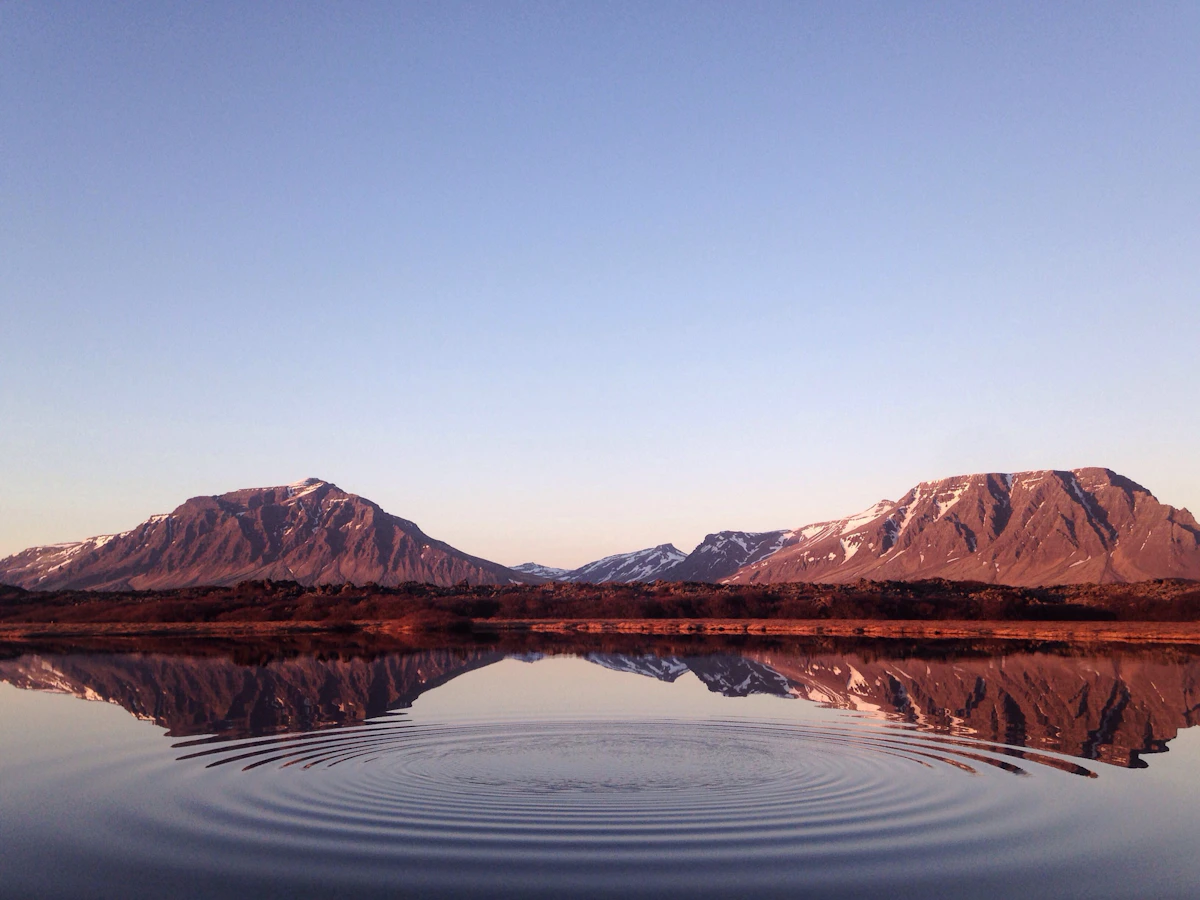
7. How Mountains Create Different Ecosystems at Different Elevations
Weather is not the only thing that changes with altitude. Mountain environments often contain several distinct ecological zones, each supporting different types of plants and animals.
As elevation increases, temperatures generally decrease, growing seasons may become shorter, and environmental conditions become more demanding.
These changes influence which species can survive in different parts of a mountain.
From Forest Floors to Alpine Landscapes
At lower elevations, hikers may encounter broadleaf forests, mixed woodlands, and relatively warm conditions.
At higher elevations, coniferous forests often become more common in suitable climates. Eventually, some mountain ranges reach the tree line, where environmental conditions become too harsh for most trees to grow successfully.
Above the tree line, alpine environments may contain grasses, mosses, low-growing shrubs, and specialized wildflowers adapted to cold temperatures and strong winds.
These ecological transitions make mountain hiking particularly interesting because a single journey can reveal several different natural environments.
8. What Happens to Your Body at High Altitude?
Mountain environments also influence the human body. As altitude increases, atmospheric pressure decreases, meaning the partial pressure of oxygen available for breathing becomes lower.
Although the percentage of oxygen in the atmosphere remains approximately the same, each breath delivers less oxygen pressure to the lungs.
For this reason, people who travel rapidly to high elevations may experience altitude-related symptoms.
Common Symptoms of Acute Mountain Sickness
- Headache.
- Nausea or loss of appetite.
- Dizziness.
- Unusual fatigue.
- Difficulty sleeping.
Altitude sickness can affect people who are physically fit as well as those who are less active. Fitness alone does not guarantee protection.
Gradual ascent, appropriate acclimatization, and understanding the symptoms are important parts of high-altitude hiking preparation.
Severe symptoms such as confusion, difficulty walking straight, or breathlessness at rest require immediate medical attention and descent when safe. High-altitude illness should never be ignored.
9. How to Prepare for Unpredictable Mountain Weather
Understanding mountain weather is one thing, but preparing for it is another. Whether you are planning a day hike, a weekend backpacking trip, or a multi-day mountain camping adventure, preparation can make a significant difference.
Outdoor conditions should always be evaluated using forecasts for the actual elevation and location of your route rather than relying only on weather information from the nearest town.
Essential Mountain Weather Preparation
- Check mountain forecasts: Look for elevation-specific forecasts, precipitation predictions, and wind information.
- Dress in layers: Bring insulating clothing and a waterproof outer layer.
- Start early: When appropriate for the route and season, an early start can help reduce exposure to common afternoon thunderstorms.
- Carry navigation equipment: Use offline maps, a compass, or a GPS device when necessary.
- Monitor changing conditions: Watch for increasing wind, cloud development, and deteriorating visibility.
- Prepare an alternative route: Know where you can turn around or reach safer terrain.
- Respect weather warnings: Postpone or cancel an outing when conditions become unsafe.
Good preparation does not mean predicting every weather change. It means understanding the risks and being ready to adjust your plans.

10. Fascinating Facts About Mountain Weather
Mountain meteorology is full of surprising phenomena. Here are some interesting facts that reveal just how complex these environments can be.
- Temperature generally decreases with altitude in the lower atmosphere, although temperature inversions can produce the opposite pattern in certain conditions.
- Some mountain peaks experience stronger winds because they are exposed to large-scale atmospheric airflow.
- Clouds can form along mountain slopes when moist air is forced upward.
- The rain shadow effect can create forests on one side of a mountain range and much drier landscapes on the other.
- Mountain valleys can trap cold air, creating temperature differences between valley floors and higher slopes.
- Above the tree line, vegetation is adapted to shorter growing seasons, colder temperatures, and stronger winds.
- Mountain weather stations are important because conditions at high elevations can differ significantly from nearby towns.
11. Frequently Asked Questions About Mountain Weather
Why is it colder at the top of a mountain?
Atmospheric pressure decreases with altitude. As air rises and expands, it generally cools, making mountain summits colder than nearby lowlands.
Can mountain weather change within a few minutes?
Yes. Depending on local conditions, cloud development, wind changes, fog, and thunderstorms can cause rapid changes in mountain weather.
What is the rain shadow effect?
It occurs when moist air releases precipitation while rising over a mountain range, leaving the descending air on the opposite side relatively drier.
Why do mountains create clouds?
Mountains force moving air upward. As the air rises, it cools and may reach saturation, allowing water vapor to condense into clouds.
Is hiking in fog dangerous?
Fog can significantly reduce visibility and make navigation difficult, especially on exposed mountain routes. Hikers should carry navigation equipment and avoid continuing into conditions beyond their experience or preparation.
Why are mountain peaks windy?
Elevated ridges and summits are often exposed to stronger atmospheric airflow because they have fewer natural obstacles than sheltered valleys and forests.
Conclusion: Every Mountain Has Its Own Weather Story
Mountains are much more than impressive geological formations. They are complex natural systems that influence temperature, rainfall, wind, cloud development, vegetation, and wildlife habitats.
A single hiking journey can take you through warm valleys, cool forests, misty slopes, and exposed alpine environments. Each elevation reveals a different relationship between the land and the atmosphere.
Understanding these processes helps outdoor enthusiasts appreciate the science behind the landscapes they explore. More importantly, it encourages better preparation and safer decisions when hiking or camping in unpredictable mountain environments.
The next time you look at a mountain covered in clouds, remember that something fascinating is happening above and around its slopes. The mountain is actively shaping the weather that makes its landscape so unique.
At The Hiking Camp, we believe that learning how nature works makes every hiking and camping adventure more rewarding.
Comments
Post a Comment