Jackery Explorer 300 Review: Is This Portable Power Station Worth It for Camping? If you spend weekends camping off-grid, running a mobile photography setup, or powering essential devices during long wilderness trips, having reliable portable power is non-negotiable. The Jackery Explorer 300 has long been a favorite among outdoor enthusiasts, but with upgraded LiFePO4 battery chemistry and ultra-fast charging capabilities, does it still hold the crown for mid-tier portable power stations? In this hands-on review, we break down the specs, real-world performance, pros and cons, and whether this power station belongs in your camping setup. 👉 Check Current Price & Deals for Jackery Explorer 300 on Amazon Quick Verdict: Who Is The Jackery Explorer 300 For? Best For: Campers, drone pilots, tailgaters, CPAP users needing weekend battery backup, and hikers needing lightweight off-grid power. Not For: Heavy appliance operation (refrigerators, high-wattag...
Lost in the Wild: A Thrilling Guide to Wilderness Survival & Emergency Preparedness
The wind howls through the pine canopy as daylight rapidly fades behind the ridge. The temperature drops below 40°F, and you realize your map is soaked, your phone has zero signal, and you are still miles away from the trailhead. Your heart starts pounding. What you do next will determine whether this becomes a legendary adventure story or a dangerous night in the elements.
While most camping trips go smoothly, unexpected emergencies happen to even the most experienced outdoor enthusiasts. In this gripping survival guide, we break down the psychological and practical steps you must take when things go sideways in the backcountry.
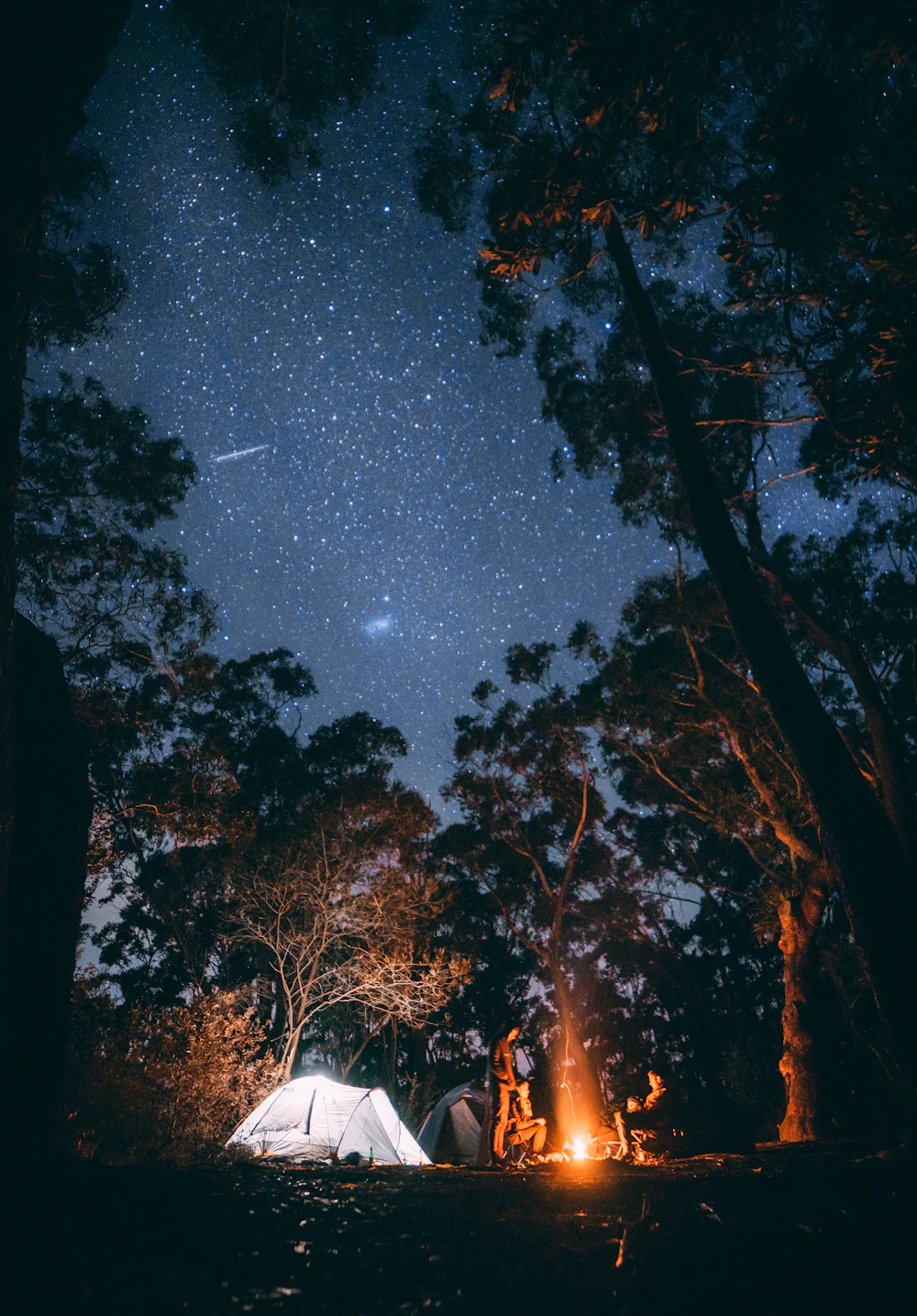
1. The Psychology of Survival: STOP Principle
When panic sets in, adrenaline clouds your logical thinking. Before taking a single step in the wrong direction, seasoned wilderness guides rely on the universal survival acronym: STOP.
| Letter | Action Step | Survival Objective |
|---|---|---|
| S | Stop | Immediately cease moving to prevent further disorientation or injury. |
| T | Think | Calm your breathing and assess what gear, water, and shelter you have on hand. |
| O | Observe | Look around for natural landmarks, water sources, or safe areas to hunker down. |
| P | Plan | Formulate a clear, deliberate action plan before dark approaches. |
2. Building an Emergency Shelter Before Sunset

If you cannot reach camp before nightfall, you must prioritize shelter. Hypothermia can set in even at 50°F if you are wet, exhausted, and exposed to wind.
- Insulate from the Ground: The earth will suck body heat away from you faster than cold air. Lay down a thick layer of dry leaves, pine needles, or your backpack beneath you.
- Use Natural Windbreaks: Wedge yourself between large boulders, inside a natural rock overhang, or beneath dense evergreen branches to block chilling gusts.
- Deploy Your Emergency Blanket: Wrap your body tightly in a lightweight Mylar emergency space blanket to reflect up to 90% of your radiated body heat back inward.
3. Mastering Fire Starting Under Pressure
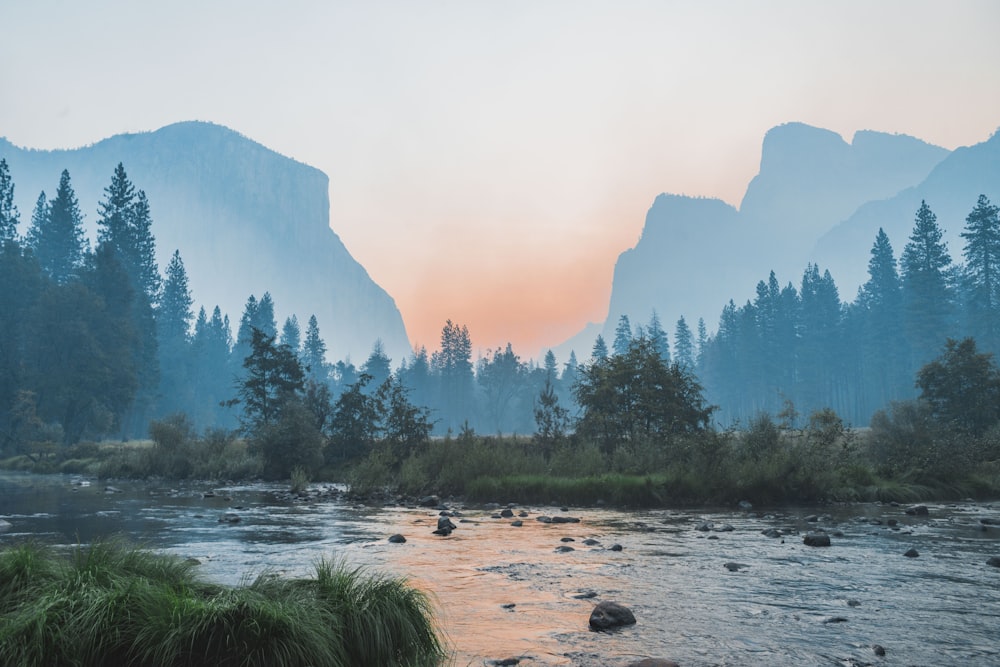
Fire is your ultimate morale booster and survival tool. When your matches are damp and panic is creeping in, follow these field-tested steps:
- Gather Three Sizes of Wood: Collect tinder (dry grass, inner tree bark, or lint), kindling (pencil-thick dry twigs), and fuel wood (wrist-thick branches). Never try to light large logs first.
- Prepare a Dry Platform: If the ground is soaked from rain or snow, build a raised platform out of green logs to keep your initial spark elevated away from damp soil.
- Use Reliable Spark Tools: Strike your ferrocerium rod firmly downward at a 45-degree angle, directing hot sparks straight into your prepared tinder bundle.
Summary: The Mindset of a Survivor
Surviving an unexpected night in the wilderness isn't about having elite military training; it's about staying calm, respecting nature, and using common-sense principles. Pack your Ten Essentials on every single hike, respect the trail, and you will always return home to tell the tale.
Comments
Post a Comment